Bu****it info to Young Forensic Scientists about bitemarks – AAFS

Image result for bullshit warning

This is a current AAFS educational profile talking about disciplines within forensic “science.” It is in the “choosing a career in forensic science” section and amongst other activities, explains “scientist-dentists” role in performing bitemark identification analysis. It seems the AAFS hasn’t put much credence to the National Academy of Science nor the President’s Council on Sci and Tech on this little group’s consistently failed attempts to be like Sherlock Holmes. Their claim of mentoring the new dentists fails to state that, since the ABFO’s birth in 1978, over 10% of this bunch has mis-identified innocent persons as being a violent criminal. [bold added].

Bitemarks and the AAFS website:

“Another important area of forensic dentistry is bitemark analysis.  Bitemarks can occur during a variety of human activity including assault, domestic violence, rape, elder abuse, self-defense, sports, accidents, infanticide, or other homicide.  The American Board of Forensic Odontology (www.abfo.org) has developed rigorous guidelines and standards for analysis and Board Diplomates (DABFO) require additional education, training, and experience in this subject matter.  New odontologists would be wise to work with experienced mentors certified by ABFO when doing their first few cases.  Experience with digital imaging and Photoshop® is often a requirement during the evaluation and comparison phase of bitemark analysis.  DNA collection at autopsy or in the living is part of the bitemark protocol.”

Posted in Uncategorized | Tagged , , , | Leave a comment

Calling current forensics “error prone” includes mixture DNA evidence

Image result for regulated

Law professor David Kaye and statistical science blogger  sums things up nicely:

Analyzing mixtures of DNA is “not like a Ouija board — it’s not junk science in that sense,” said David Kaye, a law professor at Penn State University and author several books on forensic science. Scientists can extract useful information from those mixtures, he said. But he agrees with the report that right now there’s no reliable, consistent protocol for interpreting that information. “Forensic science is not regulated the way clinical medical labs are,” Kaye said. “And people are being put to death.”

I would say that forensics is largely regulated by police, commercial interests and those associated by employment with police crime labs. This belief system then extends itself to the prosecutors due to their successful acceptance in the courts. This is significantly NOT a culture of main stream science.

Bloomberg View

Posted in Uncategorized | Tagged , , , | Leave a comment

Testing the crime lab testers comes to Houston’s crime lab

Image result for double blinded crime lab

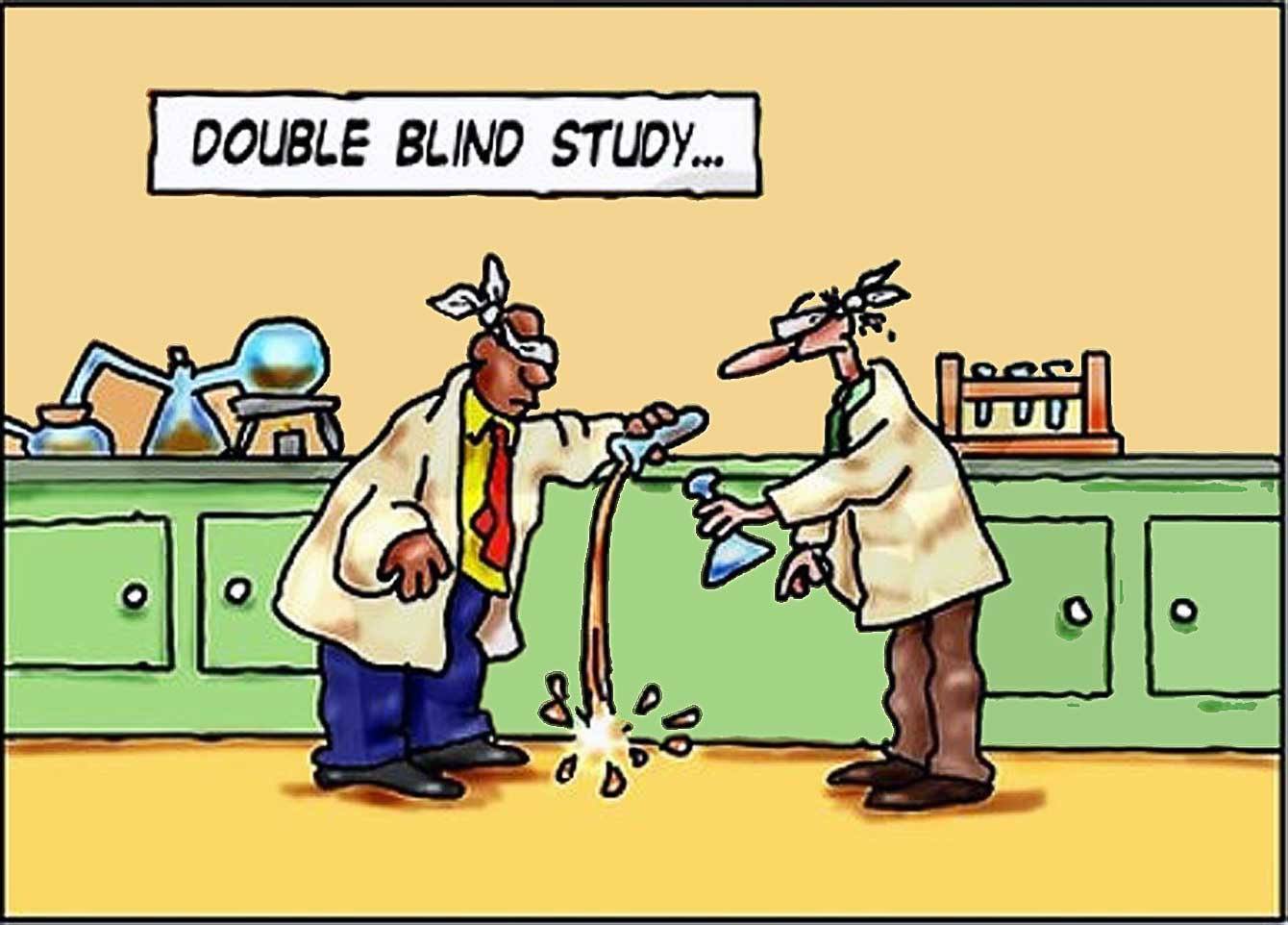
I’m not surprised that police crime labs generally avoid stringent internal evals of its personnel. I know of one “blinded” bitemark study, a means of catching perpetrators of crime concept accepted by US District Attorneys.  It involved a notorious dentist named West who flunked the outcome (thinking it was a real case) when his opinions came out horribly wrong. 

The crime lab certifiers (ASCLD) don’t require blind testing. Crime labbers avoiding contact with law enforcement before testing evidence would also be a big help. This lady crime tech is getting slammed for her chuminess. 

Onto Houston………

“Under HFSC’s blind testing program analysts in five sections do not know whether they are performing real casework or simply taking a test. The test materials are introduced into the workflow and arrive at the laboratory in the same manner as all other evidence and casework.”

This article was put written by the Houston crime lab. 

Posted in Uncategorized | Tagged , | Leave a comment

More legal argument pro and con to TrueAllele reliability and peer review

Image result for peer review

Who sets the standards for admissibility of science in courts is the core issue. The history of science in courts contains rules (Frye, Daubert, Kunho) talking about the need for peer review.

In one telling remark, the DA in this double murder case says the recent President’s Council (PCAST Forensic Report):

“Is inadmissible hearsay.” That’s another way of saying scientific peer review of forensics in US courts is not necessary even though “reproducibility” is a a fundamental tenet of the scientific method.

PCAST said: Mixture DNA software needs review by entities other than the manufacturer.

The defense argues that the PCAST statement regarding acceptable limits to considering the amount of minor DNA contributing has not been met in this case. Thereby making its use in this case “novel” and deserving further pre-trial scrutiny.


Posted in Uncategorized | Tagged , | Leave a comment

Chummy crime labber gets close scrutiny.

Not exactly PC in today’s hyper sensitive awareness of cognitive bias in police crime lab environments


http://www.dispatch.com/content/stories/local/2016/11/19/do-thank-you-notes-hint-at-impropriety.html

Posted in criminal justice reform, CSI, Forensic Science, Forensic Science Bias, forensic science misconduct, Uncategorized | Leave a comment

Bogus video height estimate gets the attention of the TxForensic Sci Commission

Image result for botched forensics

Having done some digital comparisons over the last 15 years, mis-sizing objects seen in fotos is real popular with bitemark experts all the time.

Here’s a story about a DA having his “expert” botch a pic of someone 5’6″ into someone who is 6’3″. The defendant is 6’3″.

Full story

Posted in Uncategorized | Tagged | Leave a comment

Anti-PCAST District Attorney Says Bitemark Analysis Opponents Are “Flawed”

Image result for bullshit

This National DA Assoc president works in San Bernardino County, among other things a place where bitemarks helped put an innocent Bill Richards in prison for 23 years.

voteramos1

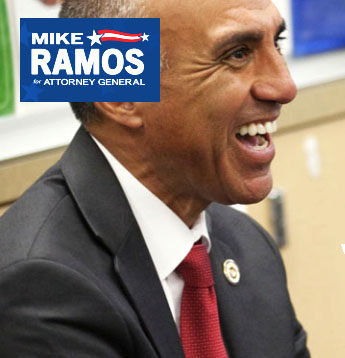
Ramos (campaigning for California’s Attorney General post and pro death penalty) has a sterling opinion about bitemark “matching.” Here is his and his org’s “final” 7 page response to the President’s Science Council’s Report. The part about teeth is excerpted below in italics.

As a colleague of mine puts it (in bold):

The NDAA letter to PCAST grossly overstates the success of testimony against University of Buffalo bitemark studies. Never were the studies “thoroughly discredited in court.” Almost similar to saying the possibility of someone else having the same dentition as “one in a million”. The rest of  the commentary is also interesting, including the use of specialized computer programs ( Adobe Photoshop? ) to perform analysis. The use of Photoshop to adjust forensic bitemark images was never developed to scientifically prove what these dentists say in court. It is merely an imaging tool that has no similarity to other software used to in other disciplines such as DNA and fingerprint identifications. 

Forensic Odontology

Forensic dentists are highly-trained medical professionals and their methods employ well documented and well-understood medical and forensic techniques. Forensic dentists undergo standard medical dental training during which they take the same courses as medical students in pharmacology, physiology, histology, and anatomy of the oral and facial structure.  By virtue of their experience reading x-rays and performing surgeries, forensic dentists are experts in comparing dentitions, pattern, and are well-versed in the injury and healing properties of human skin. Forensic dentists perform bite mark evidence collection through the use of highly specialized photography and harvest injured skin from deceased victims. They analyze bite marks using very specific criteria and highly specialized computer programs and tools. Best practices for comparisons include blinded suspect sample collection and a “lineup” of potential suspects. Board certified forensic odontologists undergo a rigorous training and examination process by the American Board of Forensic Odontology. Studies cited by the PCAST Report in support of its rejection of forensic odontology have been thoroughly discredited in court. For example, both the cadaver studies and 2-D and 3-D studies by Mary and Peter Bush were poorly designed and executed and as a result, did not reliably demonstrate anything. The AAFS study was similarly flawed. The authors admit that the small number of participants and mid-study rule changes, among other problems, meant the study proved only the obvious fact that the best possible evidence should be used when conducting bite mark analysis and comparison. Forensic odontology is an important tool, for both prosecution and defense, especially in child abuse cases. These cases commonly involve a limited number of people who have access to the child and comparisons between this “closed population” of suspects can often reliably exclude all but one suspect who may be included as a possible perpetrator based on specific similarities between the suspect’s dentition and the bite mark injury. Judges, juries, potential defendants and victims all need this valuable tool in the pursuit of justice. PCAST’s study of historic cases in which convictions were vacated do not address vast improvements in forensic odontology and are not relevant to forensic practices today.

ndaa-pcast-response-final

Posted in criminal justice reform, CSI, death penalty, Ray Krone bitemark case, William Richards Exoneration Case, Wrongful Conviction | Tagged , , | 1 Comment

Felonious toxicologist ran Maricopa AZ crime lab for years

Deep dark secrets and a little help from his police colleagues got toxicologist Norman Wade rehired after running away from a California conviction (in my home town) and making it big again in Arizona. Seems he fit well into the Maricopa County crime lab environment and criminal courts as a expert. If you read the article, I do remember the story about his stealing evidence from the evidence locker.

Full article

Posted in forensic fraud, Forensic science misconduct | Tagged , , | Leave a comment

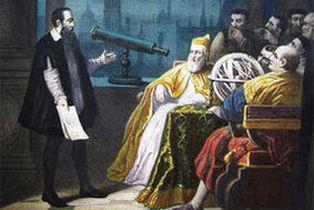
Flat-earth concepts of Shaken Baby Syndrome shaken by US judge

galileo-and-telescope-detail

For the first time, a New York appellate court has ruled that evidence once used to convict people in shaken-baby cases may no longer be scientifically valid.

http://www.democratandchronicle.com/story/news/2016/11/16/ruling-alters-legal-landscape-ny-shaken-baby-cases/93952304/

► Shaken-baby science questioned

► Changing science a tough sell in court

UK Pathologist sanctioned for courtroom testimony disagreeing with the MET Police theory of Shaken Baby opinions. She barely kept her medical license. 

Posted in Uncategorized | Tagged , , , | Leave a comment

Supreme Judicial Court questions whether to provide a blanket dismissal to the 24,000 convictions in which Dookhan was involved

The arguments about legal “inconvenience” versus “tainted” forensic evidence versus “unsafe convictions” brings us to the real uncertainties about the definition of justice. Letting the DAs decide is incredibly wrong.

Posted in Uncategorized | Leave a comment