
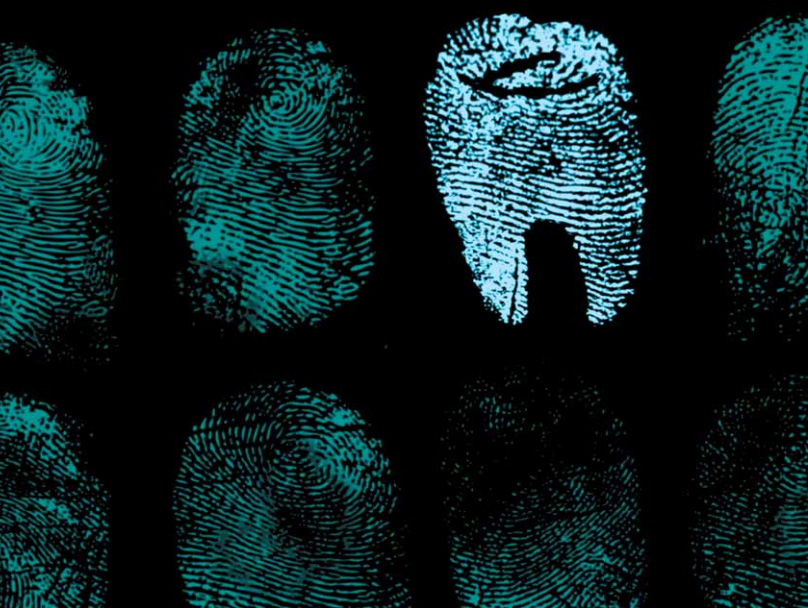
This article is about the collision between legitimate forensic science versus bitemark “science” poseurs and the resulting damage to the US justice system. Review of a Forensic Pseudoscience. (accepted manuscript).
Much thanks to Elsevier ScienceDirect publisher Alexander Smith and Journal of Forensics and Legal Medicine editor Tim Thompson for this publishing opportunity.
Abstract:
The forensic sciences are a combination of laboratory procedures and physical
comparisons of objects associated with victims, perpetrators, and crime scenes. The
former is largely university-based protocols adopted by crime labs. The latter is
predominantly pattern-matching tools originally developed by police examiners or
experts deemed by courts to be relevant to forensic matters. These Court accepted
experts bring their reasoning and conclusions into the legal arena. This subgroup of
forensics has undergone significant scrutiny in regards to its history of exaggerated
claims and weak scientific. This paper addresses the rise and fall of
bitemark pattern analysis (i.e. “matching” bitemarks in human flesh to human teeth) in the environment of opposing interests and agendas.
The Journal of Forensic and Legal Medicine
Please cite this article as: Bowers CM, Review of a Forensic Pseudoscience: Identification of Criminals from Bitemark Patterns, Journal of Forensic and Legal Medicine, https://doi.org/10.1016/j.jflm.2018.11.001.


 FORENSICS and LAW in FOCUS @ CSIDDS | News and Trends